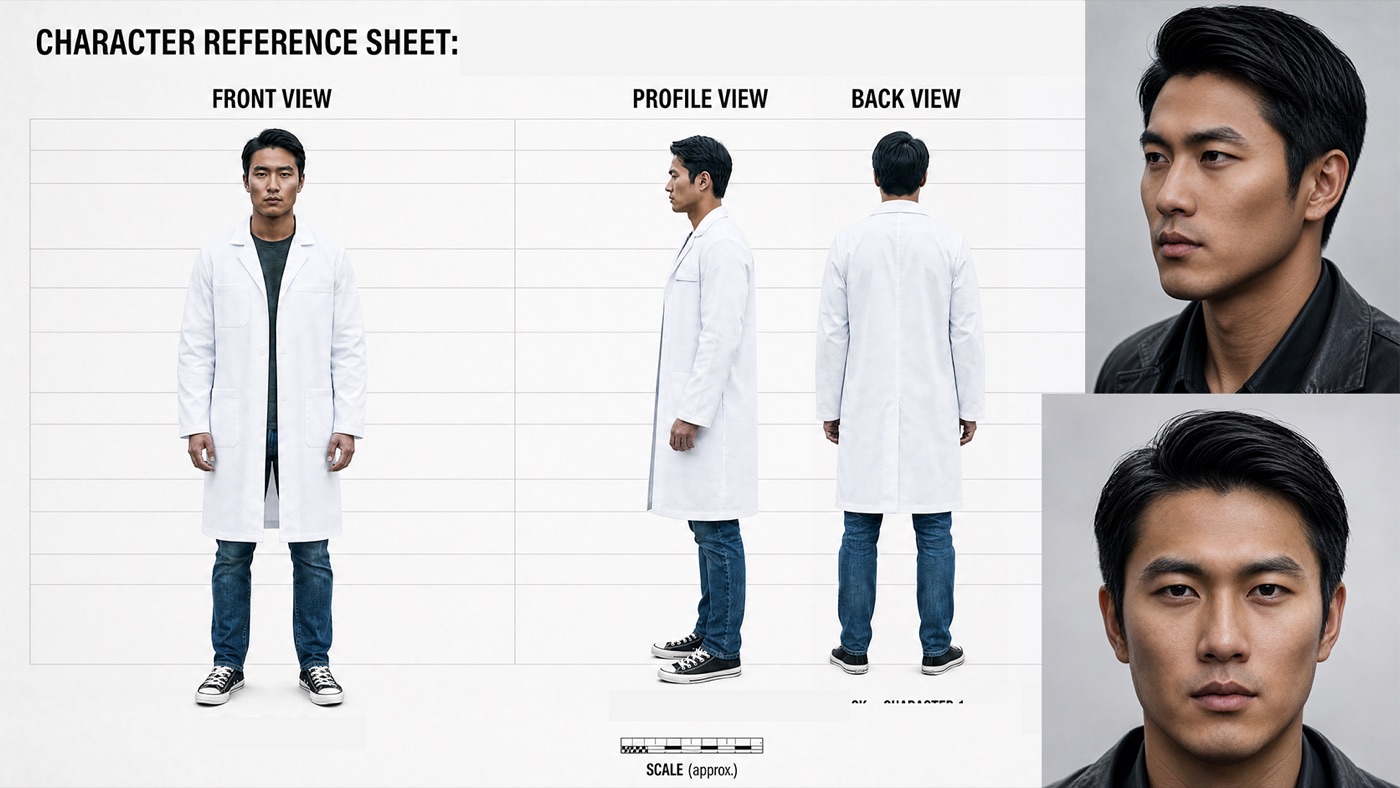
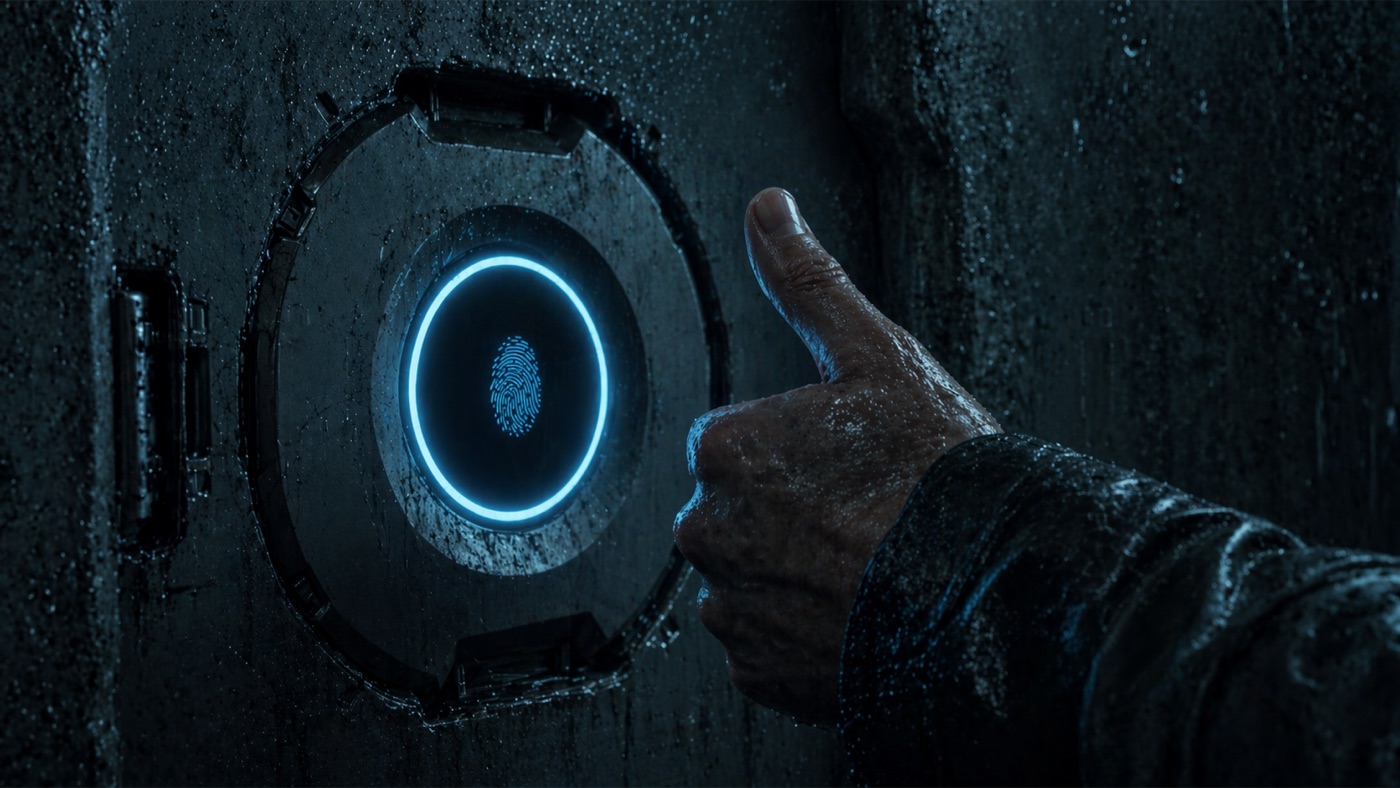
the brief.
Walk any agency’s floor and you’ll find the same thing: a graveyard of dead concepts. The board that won the room and then lost the budget. The idea everyone loved until the CGI quote came back, or the timeline collapsed, or the location permit fell through. Killed by budget, time, weather, logistics, studio availability, travel costs, the fear that it was just too big an idea, the inability to show the client what it could even look like, and the animals that won’t take direction. These aren’t bad ideas — they’re the good ones, killed by the linear, waterfall economics of traditional production, where ambition is priced in rendering blocks and shoot days.
That is the pain we set out to speak to. Not “agencies need more content.” Agencies need the specific concepts they already believe in, produced without the cost, time, and logistics that killed them the first time.
the challenge.
Telling an agency you can rescue their killed work is easy. Proving it is the hard part, and a portfolio reel doesn’t do it. A reel shows what you made for someone else. It says nothing about whether you can produce this agency’s specific dead concept, on their flagship client, to broadcast standard.
The only convincing proof is spec work built directly on the target’s live roster. But that is exactly the thing traditional production can’t afford to give away. Premium cinematic spots for separate targets would mean separate crews, separate location moves, and compounding post and CGI hours — every prospect a full production. Do that across a target list and the outreach costs more than the concepts that died.
So the real problem was economic, not creative: how do you produce hyper-targeted, broadcast-grade spec work — one bespoke film per agency, delivered in a way that feels personal — at a footprint lean enough to make cold outreach viable?
the process.
Enter POWER SHIFTER. We treated the film like a product with a fixed chassis and swappable parts, not a one-off shoot.
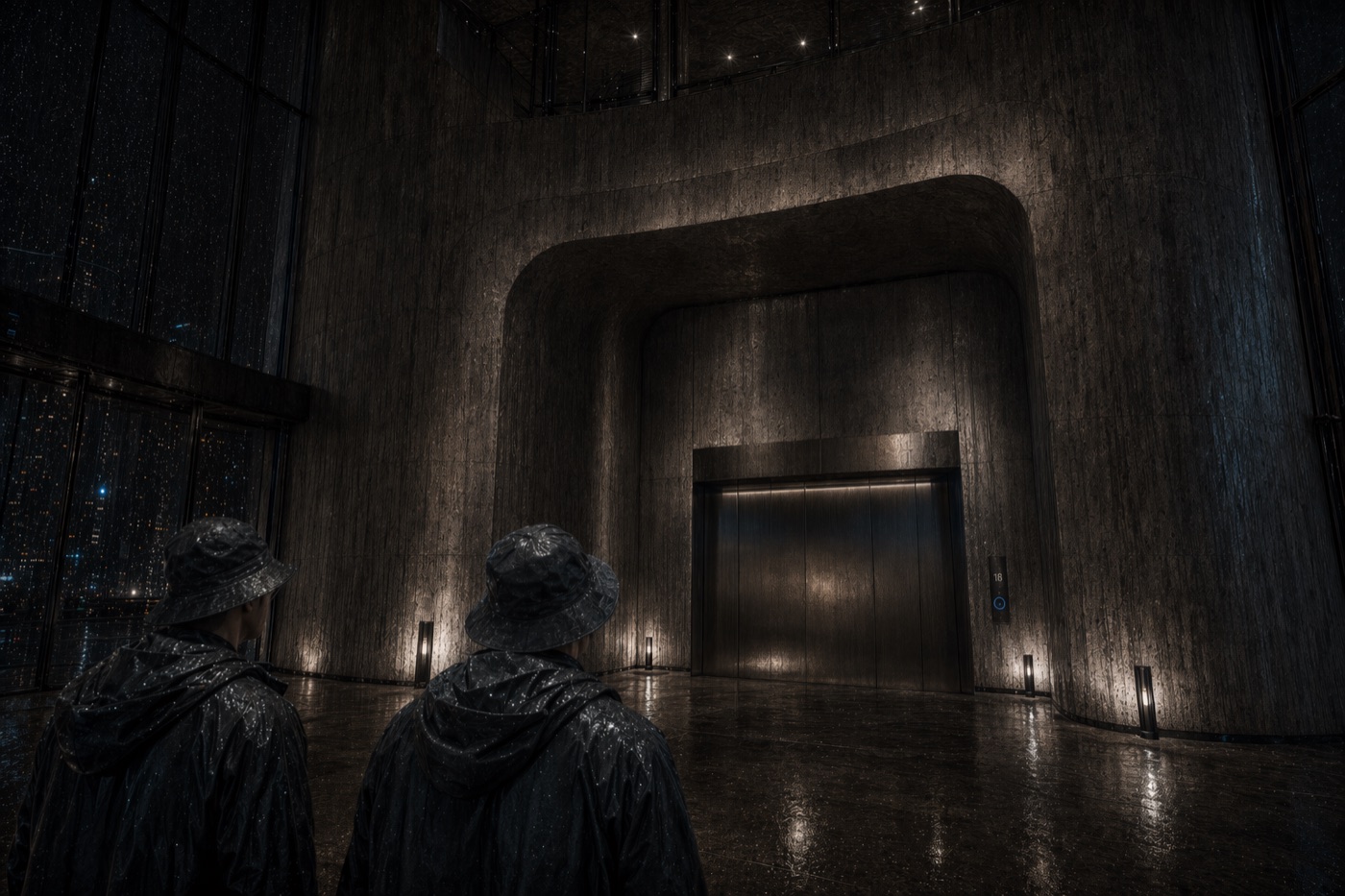
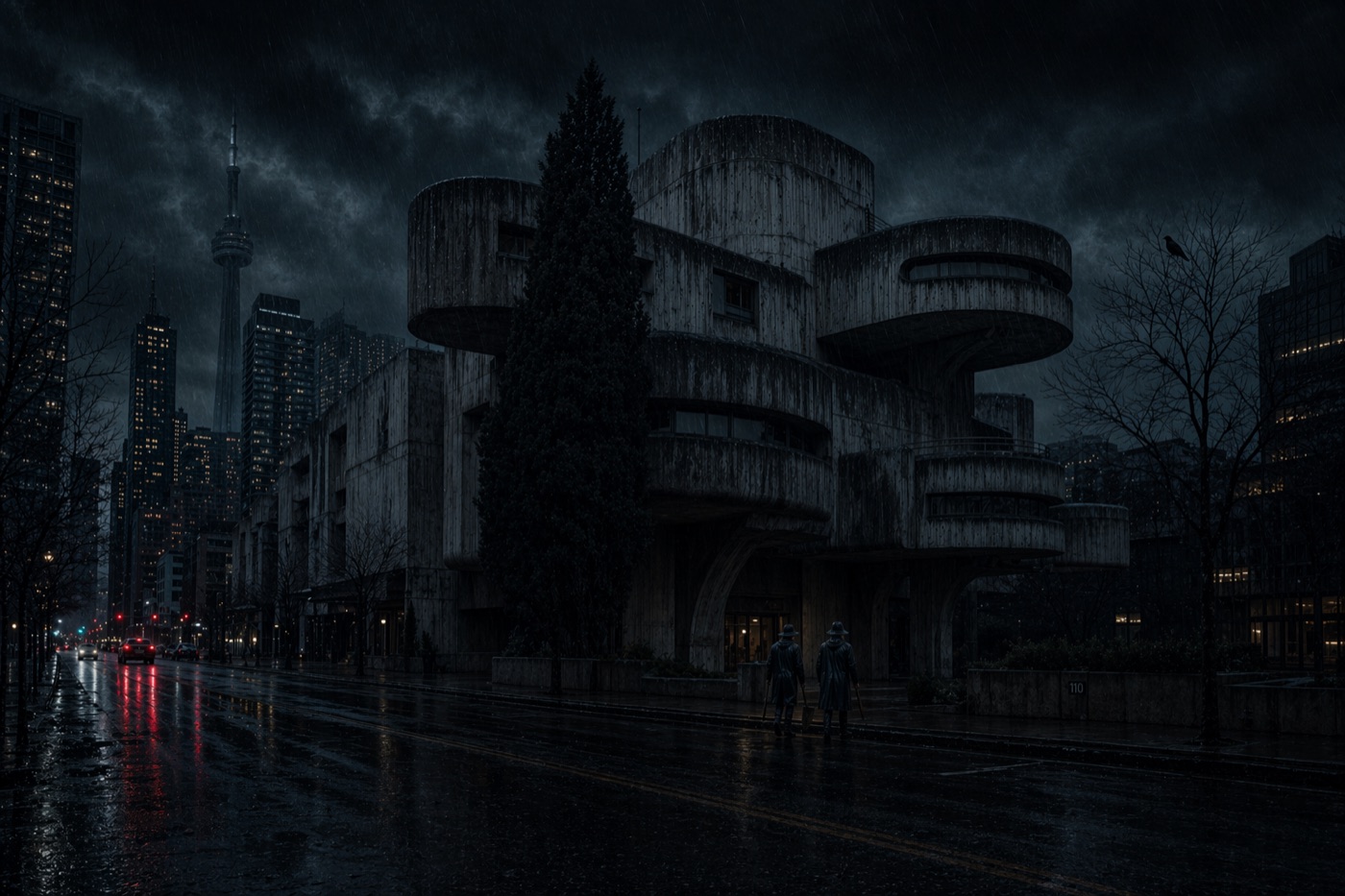
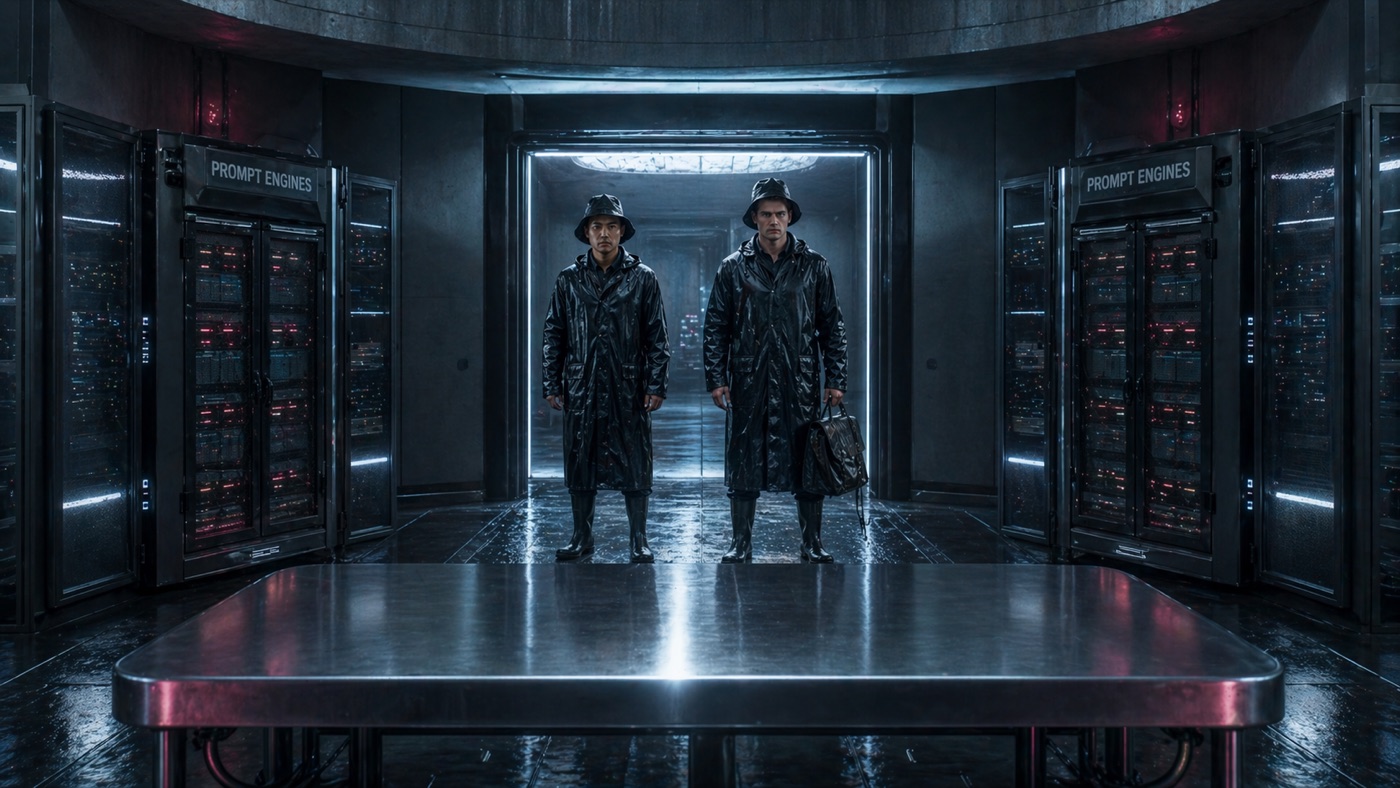
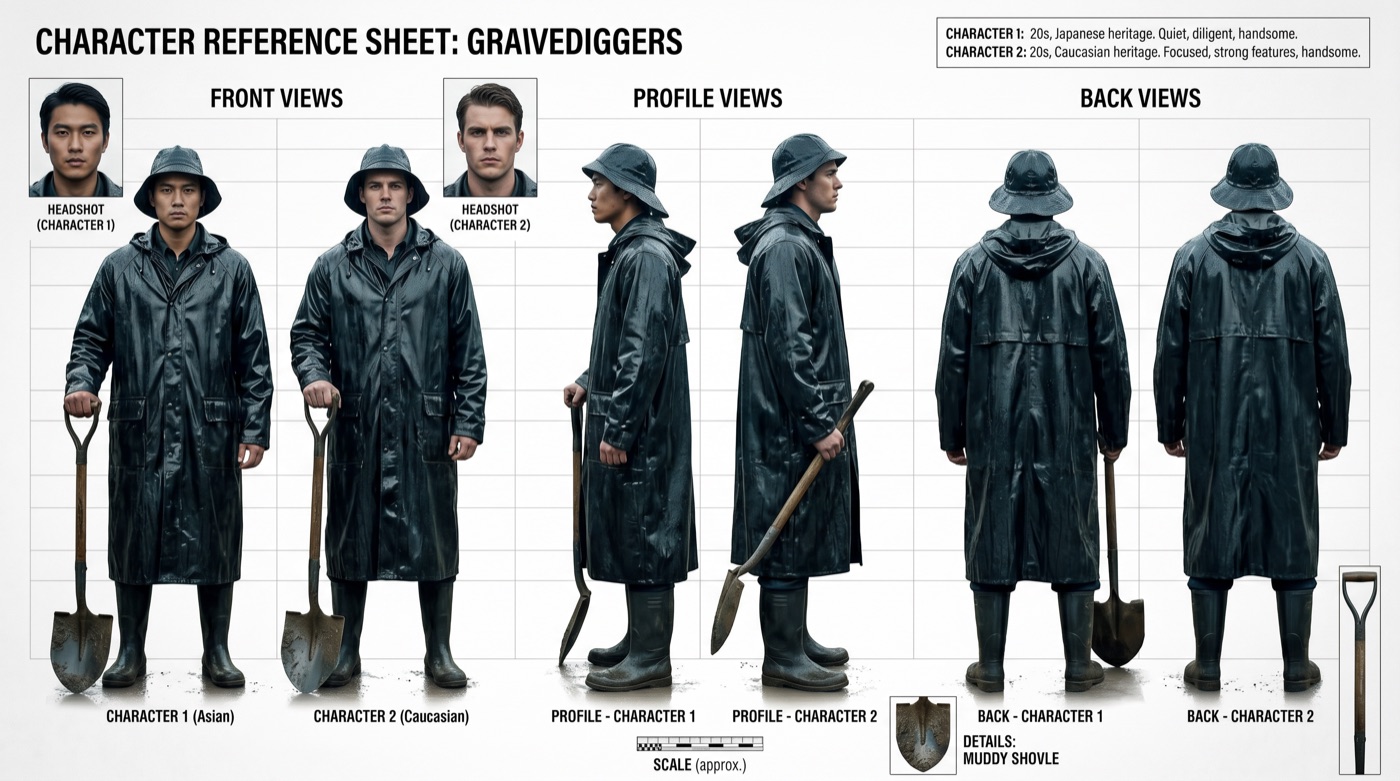
Roughly 75% of the timeline is a standardized master template: the stormy Toronto open, the muddy exhumation of a buried briefcase, the corridor travel through the server arrays, and the activation of the Imagination Engines. Build it once, build it right, and it carries every version. Personalization then happens inside two engineered swap zones, so no version needs a new shoot: the Act I tombstones, masked and swapped for a target agency’s own client logos and epitaphs, and the Act IV–V payoff, where the briefcase interior and final on-screen playback are regenerated through precise image-to-video passes tuned to one flagship client stunt.
Underneath it runs the studio’s post-production discipline, not a prompt-and-ship shortcut. Our pipeline is fixed: generate, iterate, curate, enhance, composite, finalize. We run dozens or hundreds of generations to land the exact motion and framing, treating the latent space like a film set, then use After Effects, heavy compositing, and manual masking to remove artifacts and force visual consistency. It’s the studio’s Slop-Free Guarantee: we don’t ship raw AI output.
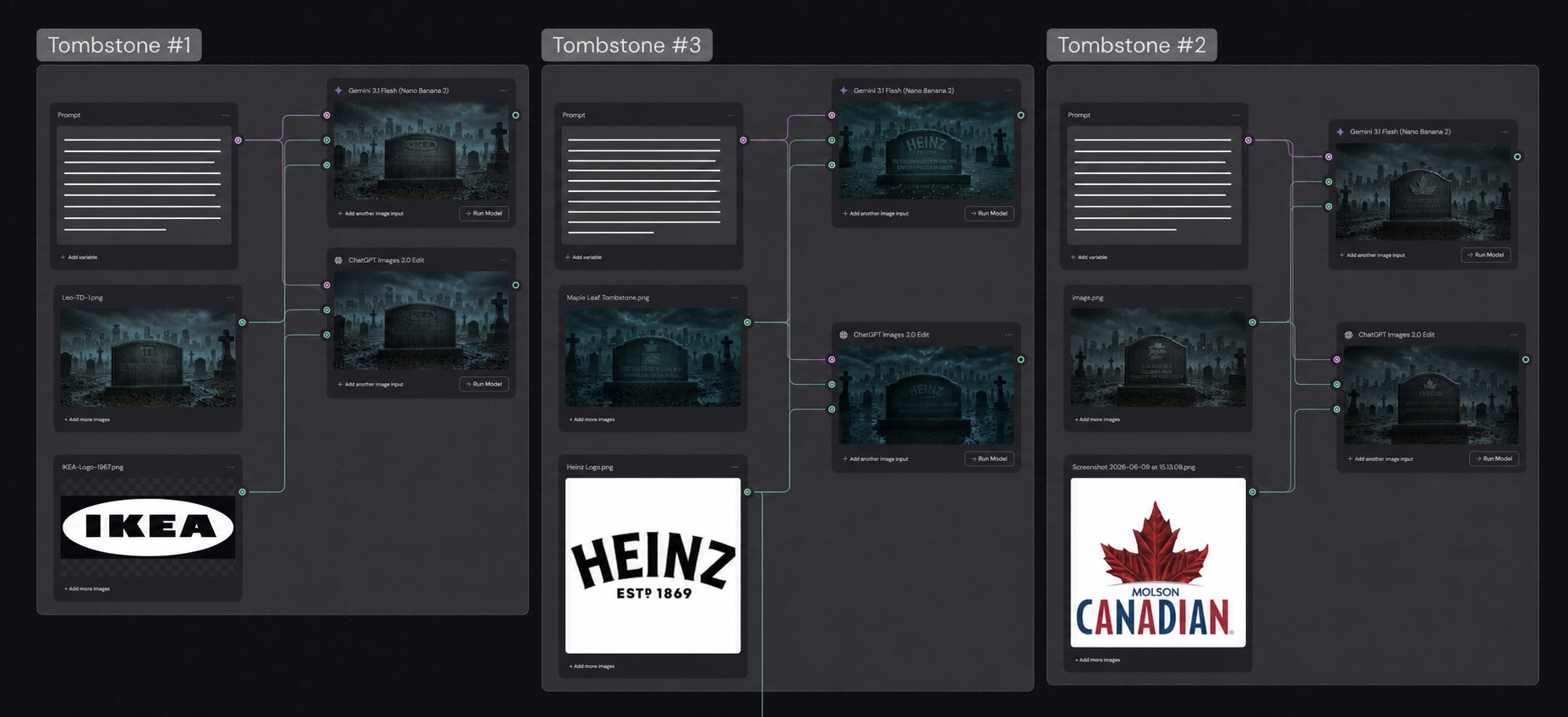
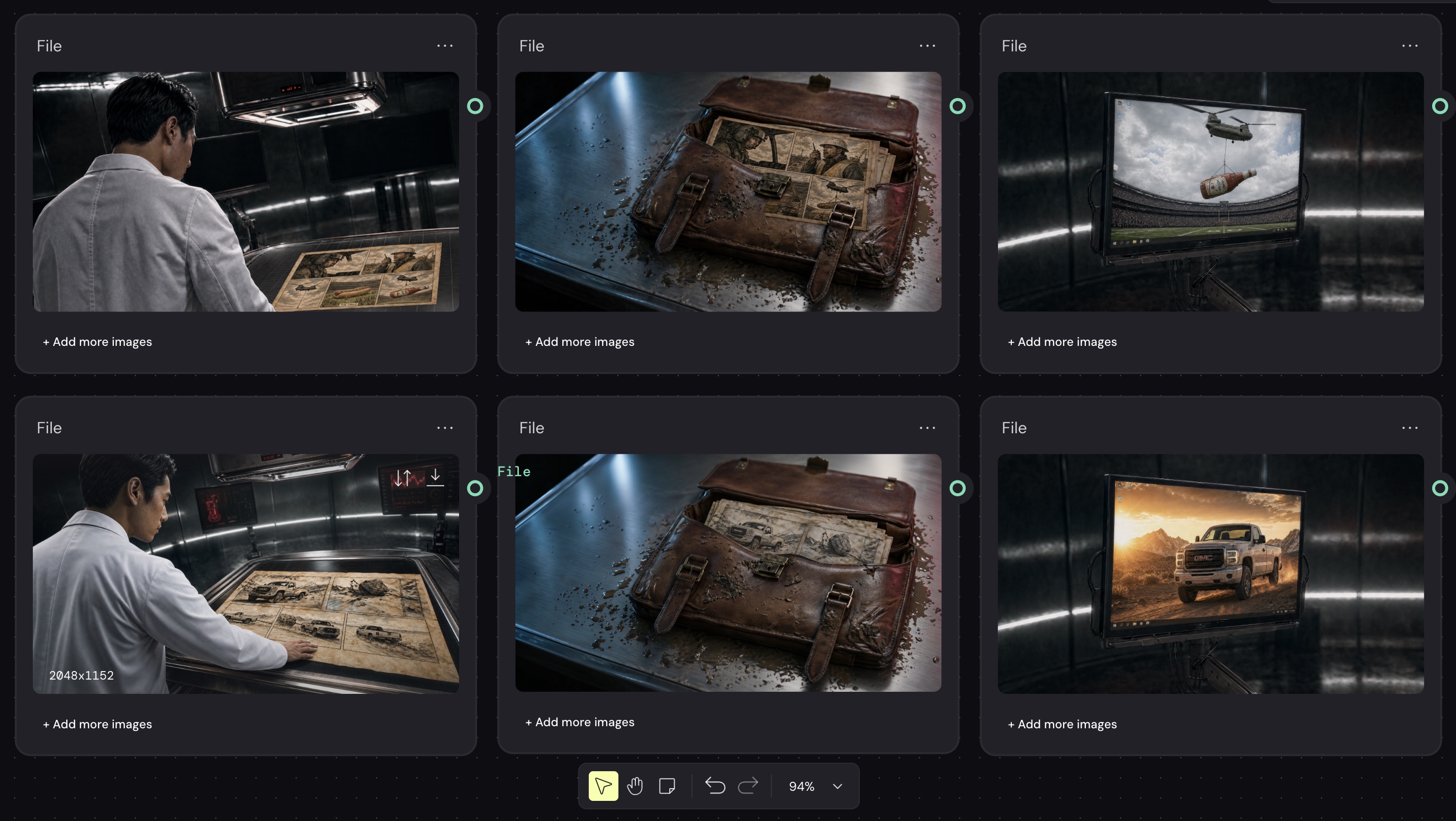
Our process for automating the swapping out of film assets in the key frames — one node graph, cloned per agency.
the solution.
A generic microsite was never going to sell bespoke work. So the personalization doesn’t stop at the film — it runs all the way to the URL. We built a multi-tenant web platform where each target agency gets its own instance: a private slug, its own resurrected film, its own analytics.
the personalization engine.
An admin dashboard spins up an agency instance in minutes: name, slug, and the Cloudflare Stream video IDs for that agency’s loader, reveal, and reel. A duplicate function clones an existing instance as the starting point for the next, so building the third agency’s page is a swap, not a rebuild — the same reuse logic that governs the films.
built for weight and speed.
We built the front-end in vanilla HTML, CSS, and JavaScript rather than a framework, because on a cold outbound click the first load has to be instant. Video is offloaded to Cloudflare Stream and delivered as adaptive HLS, so a broadcast-grade film streams without buffering on any connection. The hero is an HTML5 canvas sequence of 240-plus frames scrubbed to the scroll, producing a 3D-like zoom into the crypt without the weight of WebGL, with GSAP driving the timeline animations and Lenis smoothing the scroll. Firebase handles hosting, the Firestore instance data, and the authenticated admin.
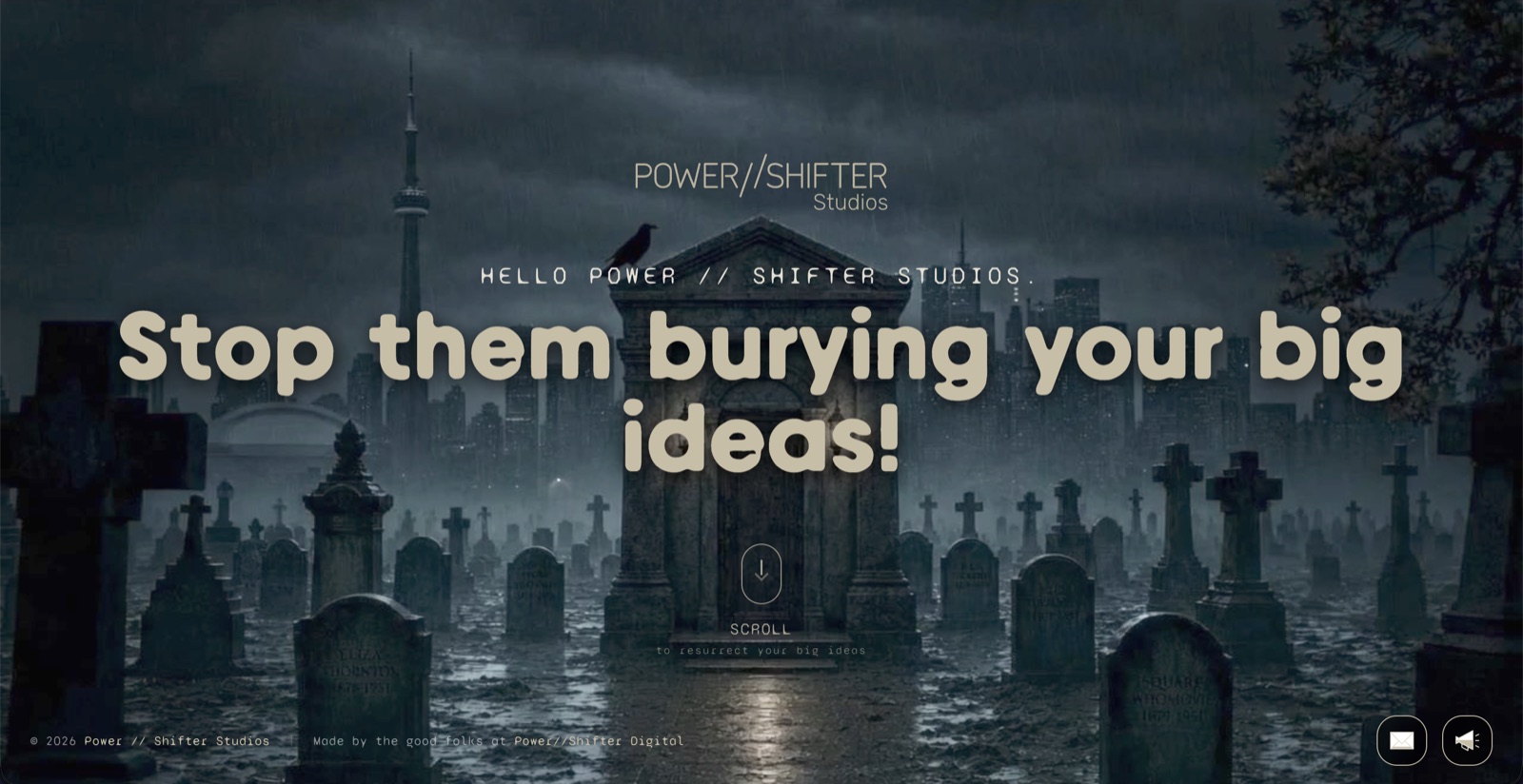
Immersive Resurrection campaign video was first created in Midjourney, then animated in Kling 3.0.
the three deployments.
Each agency got the same system tuned to a different roster, each one reusing more of the last to prove the model compounds. For the first agency (the control cut), tombstones tailored to its quick-service, automotive, and banking accounts, and a photorealistic automotive payoff: a silver pickup kicking up desert dust, towing a glowing, lava-veined space meteor on heavy industrial chains. For the second, the graves swap to a pro sports league, a national brewer, and a packaged-food giant, and the render pivots to an industrial military-construction aesthetic: a tactical helicopter pilot, a foreman with the client’s branding on his hardhat, and a twin-rotor Chinook lowering a streaming, perfectly grilled 20-foot hot dog into a stadium-sized bun. For the third, maximum reuse: we kept the entire helicopter build from the second deployment (cockpit, comms feeds, arena camera vectors) and ran an asset-model swap. The graves zoom into a heritage brewery (holding a rooftop-party script) and a condiment icon, and the first targets a furniture retailer: “THE JENGA CONCEPT | KNOCKED DOWN BY RENDER COSTS.” The payoff substitutes the hot dog for an iconic glass condiment bottle in a precision, stadium-sized slow pour.
the outcome.
The proof is in the production math. Each agency remix — a distinct, broadcast-grade cinematic spot tailored to a specific roster, on its own personalized microsite — was completed inside a localized two-to-four-week print cycle, from one master template and one lean pipeline, instead of multiple crews and location moves. Because both the films and the sites are built to duplicate-and-swap, the third variant reused the second’s helicopter build outright and the third page cloned an existing instance: the model gets cheaper the more you run it, which is the opposite of how waterfall production scales.
The campaign is also engineered to be measured. Every agency instance tracks its own page views, video watch-time, completion milestones at 25/50/75/100%, and click interactions across play, reel, about, and contact, so response isn’t a guess — it’s a dashboard. Three agencies are confirmed as of July 2026, with twenty more in the outreach pipeline. And it stands as a working proof of concept for a Tier 1 fixed-scope production package: it demonstrates, on real client accounts rather than in a deck, how agentic filmmaking turns high-volume, multi-variant commercial content from a budget problem into a repeatable one — Studios’ creative direction, built and shipped on Power Shifter Digital’s engineering.